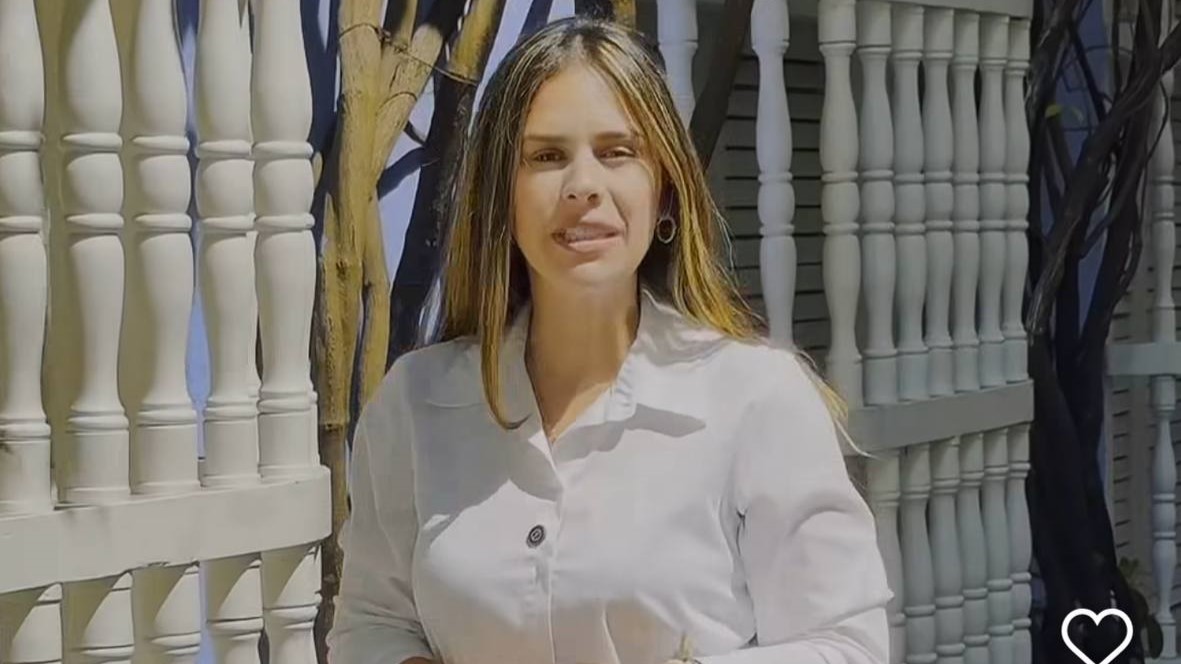
The Unforeseen Irony: Angela Vergara's Son Detained by ICE
In a dramatic and deeply ironic turn of events, Colombian Congresswoman Angela Vergara, a vocal proponent of former U.S. President Donald Trump's stringent immigration policies and a public admirer of ICE (U.S. Immigration and Customs Enforcement) raids against undocumented immigrants, is now facing the harsh realities of those very policies firsthand. The far-right political figure, known for her staunch conservative stance, finds herself in an unexpected and poignant predicament: her own son, Rafael Alfonso Vergara, has been detained by ICE, despite possessing a work permit and having a pending asylum application. This stunning reversal from supporter to victim of the system she championed has ignited a firestorm of discussion across social media and political circles, casting a spotlight on the complexities and personal tolls of immigration enforcement.
The plight of Angela Vergara's son has resonated far beyond the confines of her political office. It serves as a stark reminder that the intricate web of immigration laws can ensnare anyone, regardless of their family's political influence or perceived status. Vergara’s previous cheers for aggressive enforcement tactics against migrants now echo with a hollow sound as she grapples with her son’s detention, reportedly under "inhumane conditions" for over two weeks. This personal tragedy has forced a profound re-evaluation of her public stance, highlighting the often-overlooked human element behind policy debates.
Rafael Alfonso Vergara: A Case of "Inhumane Conditions"
The details surrounding the detention of Rafael Alfonso Vergara paint a distressing picture. According to his mother, the 22-year-old was detained on a public road in Louisiana at 4 a.m. and subsequently "imprisoned and chained" for 18 days. Congresswoman Vergara passionately defended her son, emphasizing that he is "not undocumented." She stated that he had been in the United States since 2022, applied for asylum a year later, and possessed both a work permit and social security. "This is a person who was awaiting his legal situation... A young man who has never even committed a traffic violation but who, like many Colombians, is going through hell," she shared in a poignant video posted on social media.
The conditions described – being "imprisoned and chained" and held for an extended period – align with many reports of the challenging circumstances individuals face in immigration detention centers. While the specific nature of the "inhumane conditions" for Angela Vergara's son has not been fully detailed, such claims often refer to overcrowding, inadequate medical care, limited access to legal counsel, poor sanitation, and psychological distress caused by uncertainty and isolation. These experiences starkly contradict the image of a justice system that is supposed to be fair and humane, even for those awaiting legal status.
Initially, the legal strategy pursued by Congresswoman Vergara was to request voluntary return to Colombia, believing it would be the quickest route to secure her son's release. This decision itself underscores the desperate measures families often feel compelled to take when navigating the complex and often overwhelming U.S. immigration system, even when legal avenues like asylum applications are pending.
A Political About-Face: From Champion to Critic of ICE Tactics
Congresswoman Angela Vergara’s transformation from an ardent supporter of ICE’s aggressive tactics to a vocal critic pleading for intervention is perhaps the most striking aspect of this story. As a prominent figure in Colombia's Conservative Party, Vergara has consistently aligned herself with the Republican Party in the U.S., openly celebrating former President Trump's immigration policies and expressing support for his potential return to the White House. Her public endorsements of ICE raids against undocumented immigrants positioned her firmly on the side of stricter enforcement.
However, the personal experience of her son's detention by ICE has undeniably shifted her perspective. She has now publicly called for intervention from Colombian President Gustavo Petro, seeking assistance in securing Rafael’s release. This plea, directed at a president whose political ideology often contrasts sharply with her own, highlights the depth of her distress and the sudden reversal of her political stance when confronted with a personal crisis. The irony has not gone unnoticed by critics, who point to her past statements as evidence of a hypocrisy now exposed by her own family's plight.
Despite the criticism, Vergara has rejected accusations of celebrating the deportation of Latinos or calling for military intervention, clarifying her broader political positions. Nonetheless, her intense public campaign through social media and various media outlets, providing intricate details of her son’s arrest and advocating for his immediate return, marks a significant departure from her usual political visibility and focus. It illustrates a politician caught in an unenviable "no-win situation" between deeply held political convictions and the powerful, undeniable force of maternal love.
Navigating the Immigration System: Lessons from the Vergara Case
The detention of Angela Vergara's son, Rafael, despite his work permit and pending asylum application, offers critical insights into the challenging realities of the U.S. immigration system. It demonstrates that even individuals with seemingly legitimate claims to residency can find themselves in precarious situations, often due to the discretion of enforcement agencies, shifting policies, or procedural complexities.
Practical Advice for Immigrants and Their Families:
- Understand "Pending" vs. "Approved": A pending asylum application or work permit does not equate to full legal status or immunity from detention. While it offers certain protections, enforcement agencies may still initiate detention proceedings based on various factors.
- Seek Expert Legal Counsel Immediately: Rafael's case underscores the critical importance of having experienced immigration attorneys from the very beginning. They can advise on rights, prepare for potential scenarios, and represent individuals effectively if detained.
- Carry and Protect All Documentation: Always have copies of essential documents, including passports, visas, work permits, asylum application receipts, and identification. Digital copies stored securely can also be vital.
- Know Your Rights: Immigrants have rights, regardless of their status. Familiarize yourself with these rights, particularly regarding interactions with law enforcement and immigration officials. You have the right to remain silent and to speak with an attorney.
- Prepare an Emergency Plan: Families should have a plan in place in case a member is detained. This includes knowing who to contact (attorney, family, community organizations) and where important documents are stored.
- Stay Informed: Immigration laws and policies can change rapidly. Staying updated through reliable legal sources and community organizations is crucial for proactive planning.
The Vergara case highlights that even for a politically connected individual, navigating the system is fraught with difficulty. For average immigrants, the challenges are often exponentially greater, emphasizing the need for meticulous preparation and access to robust legal support.
The Broader Implications: Empathy and Immigration Policy
The saga of Angela Vergara and her son transcends a mere political anecdote; it forces a broader reflection on the human element of immigration policy. It starkly illustrates how abstract policies, when applied, can inflict profound personal suffering, irrespective of an individual's background or the political views of their family. The impassioned plea of a mother for her detained son, even a mother who once championed the very system now holding him, powerfully humanizes the immigration debate.
This situation invites policymakers and citizens alike to consider the ripple effects of aggressive enforcement and the conditions within detention centers. It challenges the notion that immigration issues can be compartmentalized into purely legal or political categories, reminding us that at its core, immigration involves human lives, families, and deeply personal struggles. The journey of Angela Vergara's son through the detention system could serve as a catalyst, prompting a re-evaluation of policies through a lens of empathy and human dignity, potentially fostering a more humane and just approach to immigration for all.